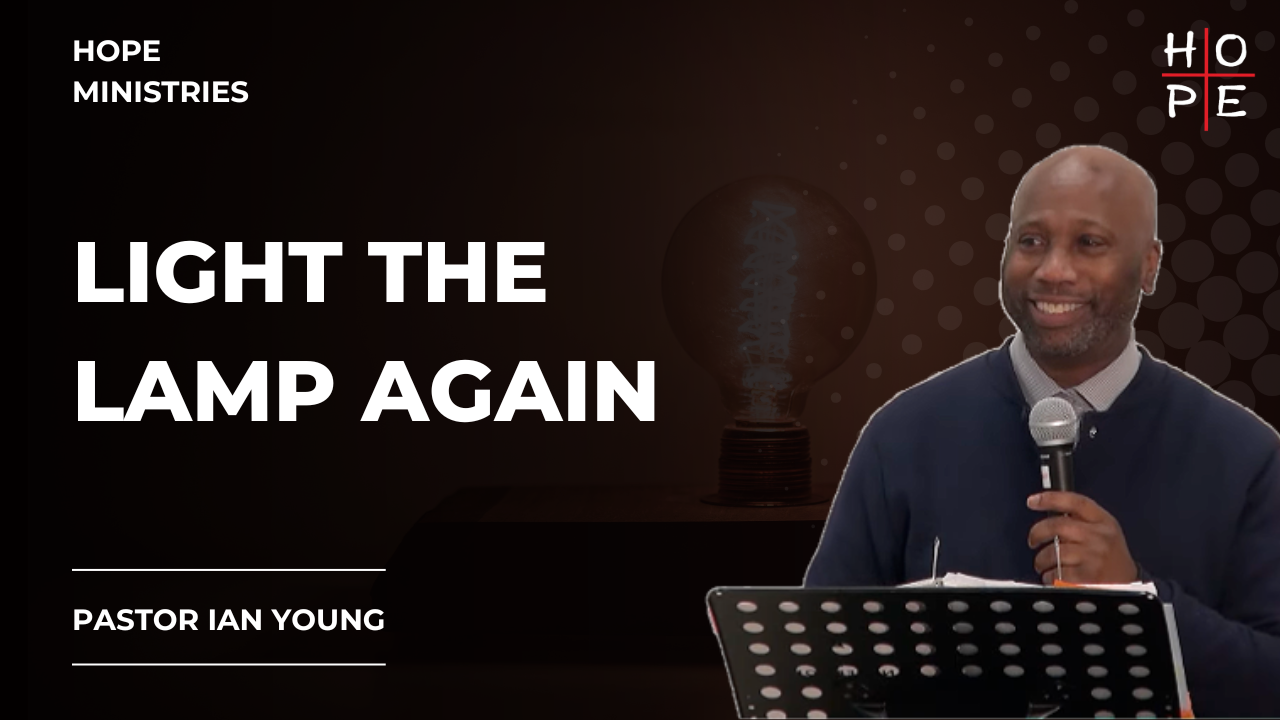
Light the Lamp Again: Recovering What Is Lost

Introduction
Spiritual life can easily fall into routine. Worship, prayer, and church attendance may continue, yet joy, intimacy with God, or a sense of purpose can quietly slip away. The parables of Jesus in Luke 15 remind believers that what is lost is valuable and worth seeking.
The lost sheep, the lost coin, and the lost son each illustrate that God notices what is missing and calls His people to restore it. Recovery requires intentional effort, spiritual insight, and practical action.
The Parable of the Lost Coin
Luke 15:8–10 (NKJV) teaches:
“Or what woman having ten silver coins, if she loses one coin, does not light a lamp and sweep the house, and search carefully until she finds it? When she has found it, she calls her friends and neighbours together, saying, ‘Rejoice with me, for I have found the coin which I lost.’ Likewise, I say to you, there is joy in the presence of the angels of God over one sinner who repents.”
The coin represents something valuable that has been lost. Recovery requires lighting a lamp and searching diligently. The candle symbolises God’s guidance and light, helping believers see clearly what is hidden.
Sweeping and seeking illustrate practical steps: reflection, prayer, and active pursuit of what has been lost in spiritual life. Joy is restored when the effort succeeds, echoing the heavenly rejoicing over one sinner who repents.
Seeking God’s Kingdom First
Matthew 6:33 (NKJV) provides guidance:
“But seek first the kingdom of God and His righteousness, and all these things shall be added to you.”
Prioritising God’s kingdom helps recover what has been lost. Esther’s example in Esther 4:3,16 (NKJV) shows that prayer, humility, and seeking God’s guidance are essential in times of challenge or need. Her diligent, focused action demonstrates the same principle Jesus illustrates in the lost coin parable.
Recovery requires taking time to examine life, identify what has been lost, and seek it deliberately. Spiritual practices such as prayer, Scripture meditation, and reflection are part of the process.
Hearing God’s Voice
Genesis 2:16–17 (NKJV) shows that hearing God’s instructions is essential:
“And the Lord God commanded the man, saying, ‘Of every tree of the garden thou mayest freely eat: But of the tree of the knowledge of good and evil, thou shalt not eat of it: for in the day that thou eatest thereof thou shalt surely die.’”
Hebrews 5:14 (NKJV) teaches:
“But solid food belongs to those who are of full age, that is, those who by reason of use have their senses exercised to discern both good and evil.”
Through consistent spiritual practice, believers develop discernment to recognise God’s direction and restore what is missing.
Practical Steps to Recovery
- Light the lamp – invite God’s guidance into daily life through prayer, Scripture, and reflection.
- Sweep the house – examine life carefully to identify what has been lost spiritually.
- Seek diligently – actively pursue restoration; do not settle for routine or complacency.
- Celebrate restoration – rejoice in recovery, reflecting the joy in heaven over what is found.
These steps emphasise intentionality. Spiritual life is not passive. Believers must actively seek to restore lost joy, intimacy with God, and a sense of purpose.
Conclusion
The parable of the lost coin challenges believers to reflect on what is missing in their spiritual journey. Recovery requires deliberate effort, prayer, and attention to God’s guidance.
Light the lamp. Sweep the house. Seek diligently. Restore what has been lost and embrace the fullness of God’s promises.
Reflective Question: What has been lost in your spiritual life, and what practical steps can be taken today to recover it?